




Strong literacy instruction helps students develop the skills they need to read, write, communicate, and learn across content areas. Whether you are building foundational reading skills, supporting diverse learners, or strengthening comprehension and knowledge building, the right resources can make a difference. Explore this collection of literacy articles, strategies, and research-based insights designed to support effective instruction and student growth.
Literacy resources for teachers

Find out the answer to the question, “What is the science of reading?” Plus, explore science of reading strategies and resources.

Learn research-based strategies for how to improve reading comprehension for students, including step-by-step guides, activities, and assessment.

Explore how knowledge building supports reading comprehension within the science of reading, plus get practical strategies for building background knowledge.

What began as one teacher’s search for ways to teach nonfiction became a lesson in the power of a knowledge-building curriculum.

Learn more about scaffolding reading instruction and strategies to implement before, during, and after reading to help students engage with challenging texts.

Carol Jago explores how engaging students with full-length texts can build deeper reading skills, stamina, and a genuine love of reading.

Phonics vs. phonological awareness—what’s the difference? This article breaks down what each skill involves and how to use both in the classroom.

Discover how knowledge building in the classroom supports reading comprehension, and learn practical ways to incorporate the approach into your instruction.

Use this 10-minute ELA curriculum audit to quickly scan your school’s full ELA system for research-aligned literacy indicators, identify gaps, and plan next steps

Explore the 3 principles of structured literacy and how explicit, systematic, and data-driven instruction support reading development through the science of reading.

Explore how to teach phonological awareness skills through clear instruction and hands-on activities.

Discover the six essential components of Structured Literacy and why they matter for every classroom.

Discover four research-based strategies that help middle school students tackle complex texts with confidence.

Discover proven decoding strategies rooted in the science of reading. Learn how systematic phonics instruction and decodable texts build fluency, confidence, and comprehension for every learner.
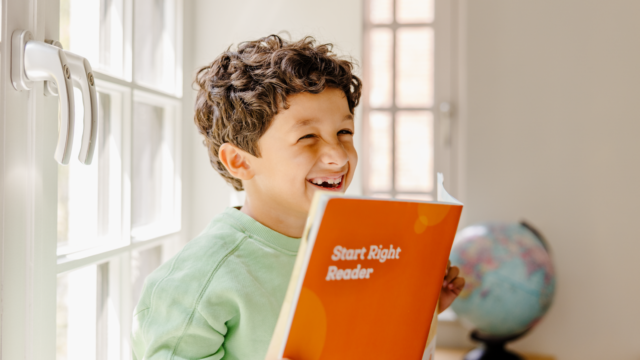
Learn more about research-backed phonological awareness examples and activities.
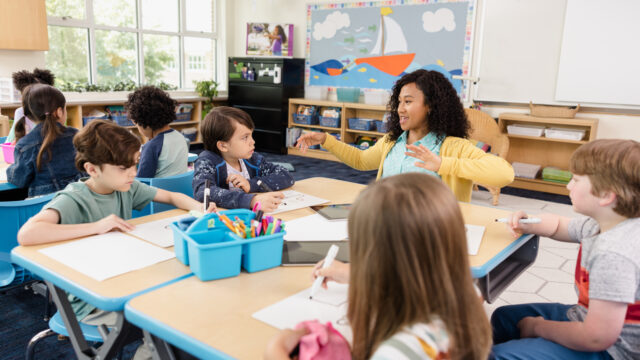
Learn to support all learners with these 9 phonological awareness activities that make literacy skill-building both fun and impactful.

Learn about differentiated reading strategies you can use to drive better learning outcomes.
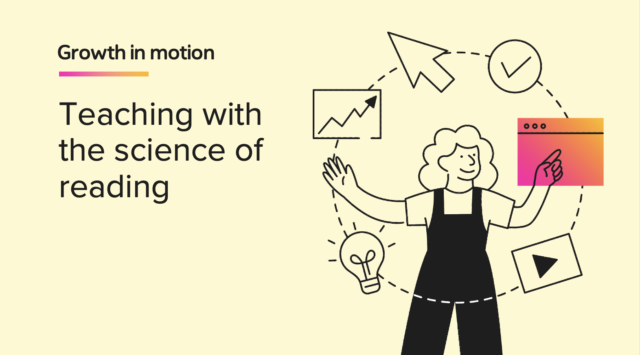
Learn how educators can align literacy instruction with the science of reading to support effective, evidence-based teaching.

To help make reading instruction both effective and engaging, we’ve put together five free science of reading activities targeting spelling, vocabulary, comprehension, fluency, and phonics.

Understanding the distinctions between structured literacy vs. the science of reading can be crucial to ensuring that reading programs are designed to support students effectively.

Get students reading, writing, and learning more about the importance of literacy with these 2026 International Literacy Day activities.
***
See how HMH Into Reading® (Grades K–6) and HMH Into Literature® (Grades 6–12) deepen knowledge building with rich text sets and collaborative routines.
Explore HMH’s evidence-based science of reading-aligned curriculum for Grades K–12 or learn more about our science of reading professional development opportunities.
Get actionable strategies to guide instruction with a free Science of Reading eBook.