







If you’re looking to stay up-to-date on the latest in edtech, check out this curated list of our most popular and relevant blogs. Discover new ways to integrate technology into your school and classroom by looking at posts we've published over the years.
Below is a series of educational technology articles and resources to help you stay current on trending edtech topics, like artificial intelligence and personalized learning.
Educational technology resources for teachers
AI in the classroom

Learn how AI tools for teachers and educators are designed for real classrooms and how they can be used effectively in education to save time and support instruction.

AI Literacy Day provides educators with tools and resources to help students explore AI in a meaningful way and promotes an understanding of AI beyond just coding, emphasizing real-world applications and responsible use.

Explore how personalized learning with AI helps educators tailor instruction, support diverse learners, and improve outcomes at scale.

Explore the benefits of using AI in the classroom, plus get simple tips for putting artificial intelligence to work effectively and responsibly.

Explore essential AI literacy concepts and discover best practices for integrating artificial intelligence into the classroom.
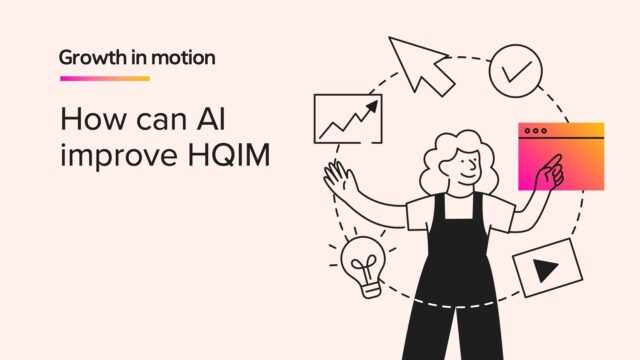
Hear from Andrew Goldman at HMH Labs on how artificial intelligence can benefit your classroom experience.

Hear from HMH CEO, Jack Lynch, on how artificial intelligence can support teachers in the changing landscape of education.

Two major discussions are happening in education right now: science of reading and the use of AI in the classroom. But how do teachers actually feel about them? Learn how educators view these important topics.

Find guidance on AI for special education teachers, including a framework for using artificial intelligence in special education.

HMH experts weigh in on the results of our 9th annual Educator Confidence Report, which shares teachers' perspectives on AI.

Each year, HMH releases the Educator Confidence Report, a barometer for how educators are feeling about the state of their profession. We asked over 1,200 teachers and administrators for their thoughts on generative AI, its potential and their usage.

Artificial intelligence is here to stay. Discover the many advantages of AI in education.
Data-Driven Leadership

Discover how one school uses data-driven intervention to accelerate learning, close gaps, and boost student confidence.

Explore why using assessment data to inform instruction is key to making informed teaching decisions and improving student achievement.

Big data in education is reshaping how schools identify learning needs and personalize instruction. Learn how thoughtful data use can help districts take meaningful action that supports every student.

Take our quiz to see how well your school or district uses data to inform instruction, and get resources for building a more cohesive data culture.

Explore why data is important in education through effective collection, analysis, and data-driven instruction that supports student success.

Learn about how Blue Springs School District in Missouri recognized the urgent need to address learning gaps and reduce the burden of catch-up while providing support and actionable data to inform teaching and better meet students' needs.

Discover how Loudoun County Public Schools leveraged data-driven strategies, collaboration, and aligned initiatives to focus on student growth for all learners in this case study.

In order to build a data-driven culture in schools, it's crucial to integrate data into everyday decision-making as well as provide professional development. Here are best practices to ensure you succeed.

Explore best practices for using data in education to drive instruction.

What is data-driven decision-making in education, and why is it so important? Learn how using data to drive instruction within the classroom is the most effective way to increase student achievement and growth.

Get expert-backed strategies on how to use data to drive instruction in the classroom.

For improved student outcomes, start with an answer to the question, “What is data-driven instruction in education?” Here, we break down this formidable instructional approach that meets learners where they are in real time and accelerates their growth.
Technology in the Classroom
Not all technology use is the same. Learn why thoughtful, instructionally designed tools—used with purpose and guardrails—can support student learning when leaders focus on quality, safety, and outcomes.
In 2026, the top trends in education aren't about adding more technology to classrooms or chasing the next shiny idea. They’re about making better use of what schools already have. Take a look.

Learn about the history of technology in education and where it has brought us to today.

Teaching with technology in the classroom helps educators boost engagement and personalize learning. Explore practical strategies for using digital tools effectively.

Successful technology integration does not have a single blueprint, but the components we describe here are a good start.

This article breaks down the different ways that technology can be used in the classroom, with practical tips for implementing it.

What is the importance of technology integration in education? Technology integration in education is most effective when it’s mobile and versatile.

Here we take a deep dive into the question, "How has technology changed education?" and uncover tech's role in opening up new possibilities for teaching and learning.

Find out the answer to the question, “What is adaptive learning technology?” Plus, discover ways you can use adaptive learning programs in the classroom.

Find tips for integrating math technology in the classroom, along with insights into what makes technology effective in math class.

Explore guidelines for integrating reading technology in the classroom in support of literacy learning when working with your tech-savvy students.

Discover the benefits of technology and personalized learning in the classroom—and digital tools that can automate the personalized learning process.

Dynamic formative assessment using technology helps guide teacher instruction and keep students on the right track.
Edtech Curriculum

Discover how Writable enhances core ELA programs with AI‑supported feedback and schoolwide writing data that helps leaders monitor progress and drive instructional improvement.

Read 180 is an intervention reading program notably known for helping Grades 3–12 students gain one or more years of average growth in one year. Discover the answers to Read 180 frequently asked questions to learn more about this solution.
Find out the answers to some of the most frequently asked questions about Math 180, an intensive intervention program known for helping to raise student achievement in math by more than two years in one school year.

A case study describes how schools in California were able to multiply their student outcomes using the math programs Into Math and Waggle.
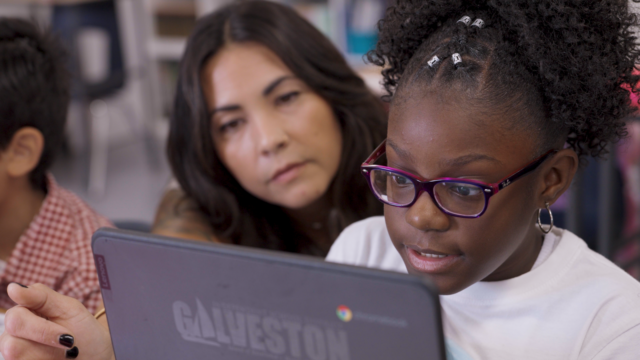
When Galveston ISD leaders saw a notable dip in student performance, they decided to set forth on a growth journey—starting with the implementation of integrated edtech solutions. We sat down with Galveston leaders and educators to discuss the district's plan of action that resulted in incredible student gains.
Explore guidelines for integrating reading technology in the classroom in support of literacy learning when working with your tech-savvy students.

While the future of education technology in the classroom can seem intimidating, it’s also full of promise.

Not all digital writing programs are created equally. Ask these questions when weighing your options.
***
Find more edtech resources on Shaped.
HMH puts meaningful growth in motion with data-informed teaching and learning, along with the latest in educational technology. Learn more about our connected teaching and learning.
Discover best practices for integrating AI in the classroom.