







Summary
Structured literacy interventions apply the science of reading through targeted instruction and practice to help striving readers build foundational literacy, fluency, and comprehension skills.
Key takeaways
- Structured literacy translates reading research into explicit, systematic instruction that can be adapted to address individual students’ literacy needs.
- Effective intervention connects foundational skills with fluency, vocabulary, background knowledge, and comprehension so students can apply their learning to increasingly complex texts.
- Structured literacy can support students across all tiers of RTI and MTSS, including students with dyslexia, multilingual learners, and striving readers with different strengths and areas of needs.
The science of reading continues to shape literacy instruction, leading educators to place greater emphasis on approaches grounded in research on how students learn to read. For students who need intensive support, the strongest evidence-based structured literacy interventions turn that research into teacher-led instruction, purposeful practice, authentic reading experiences, and clear insight into student progress.
What is structured literacy?
Structured literacy is an evidence-based approach designed to build reading skills through explicit instruction. The International Dyslexia Association defines structured literacy as “a comprehensive, integrated approach to reading and writing instruction that directly and systematically builds on and develops oral language while explicitly teaching the structure of written language. Using this evidence-based approach, educators integrate the teaching of the foundational and higher-order skills and knowledge needed to develop proficient reading comprehension and written expression.”
Structured literacy works in tandem with the science of reading. Think of the science of reading as the body of evidence that explains how reading develops, while structured literacy is the instructional approach that puts those research findings into action.
It is not a specific program or curriculum, but a framework for teaching that provides targeted, systematic instruction. Because of this focus on targeted support, structured literacy is frequently used in reading interventions to help students strengthen skills and address learning needs.
Key components of structured literacy interventions
Structured literacy is built around six essential components that support how students learn to read. These areas are closely connected, and instruction across each one contributes to students’ overall literacy development. Together, they help students build the accuracy, fluency, vocabulary, background knowledge, and comprehension needed to engage with increasingly complex texts.
Key structured literacy components include:
- Phoneme awareness: Understanding how to identify, segment, blend, and manipulate the individual sounds in spoken words.
- Sound-symbol correspondence: Understanding how speech sounds are represented by letters and letter combinations in written language.
- Orthography: Understanding the patterns, rules, and conventions that govern spelling and written words.
- Morphology: Understanding how prefixes, suffixes, roots, and other meaningful word parts contribute to word meaning and structure.
- Syntax: Understanding how words and phrases are organized to form grammatically correct sentences.
- Semantics: Understanding the meaning of words, phrases, and text and how those meanings connect to one another.
Why structured literacy is effective for striving readers
Structured literacy can be especially effective for striving readers by providing clear, explicit instruction across the skills that contribute to reading development. While structured literacy for dyslexia is one important application of the approach, it can benefit a wide range of students, including multilingual learners and striving adolescent readers.
Structured literacy can also be incorporated into dyslexia interventions and other intervention efforts. In these settings, teachers can provide targeted instruction and purposeful practice with challenging reading skills across foundational literacy, fluency, vocabulary, and comprehension. Effective interventions address students’ specific reading needs, helping them build confidence and make progress toward greater independence.
Structured literacy and RTI/MTSS
Response to Intervention (RTI) and Multi-Tiered System of Supports (MTSS) are frameworks for identifying student needs and providing increasingly intensive levels of support. RTI primarily focuses on academic intervention, while MTSS takes a broader approach that addresses academic, behavioral, and social-emotional needs.
Both frameworks organize support into three tiers:
- Tier 1: High-quality grade-level instruction for all students.
- Tier 2: Targeted, supplemental intervention for students who need additional support.
- Tier 3: More intensive, individualized intervention for students who need additional help beyond Tier 2, with dedicated teacher-led instruction, meaningful opportunities for practice, and clear visibility into student progress.
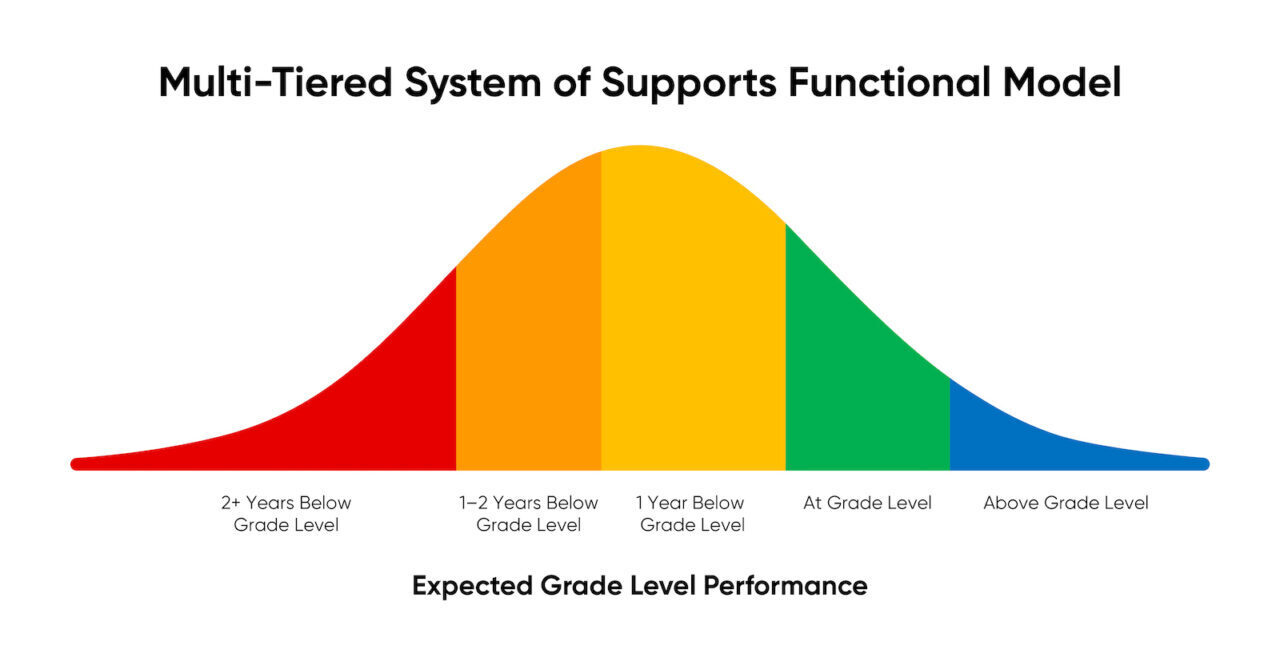
Structured literacy can support students across all three tiers, with the intensity and focus of instruction adjusted to meet students’ needs. For example:
- Tier 1: Structured literacy principles can guide evidence-based grade-level reading instruction for all students.
- Tier 2: Students who need additional support can receive more targeted, systematic instruction in specific areas of reading.
- Tier 3: Instruction can become more intensive and diagnostically driven, using insights into student progress to target individual skill needs and guide ongoing teacher-led instruction and practice.
6 Effective structured literacy intervention strategies
Structured literacy intervention combines evidence-based instructional practices with targeted activities that help students develop foundational reading skills and reading comprehension. Effective interventions are responsive to student needs and provide multiple opportunities for students to practice and apply newly learned skills.
1. Phoneme segmentation and blending
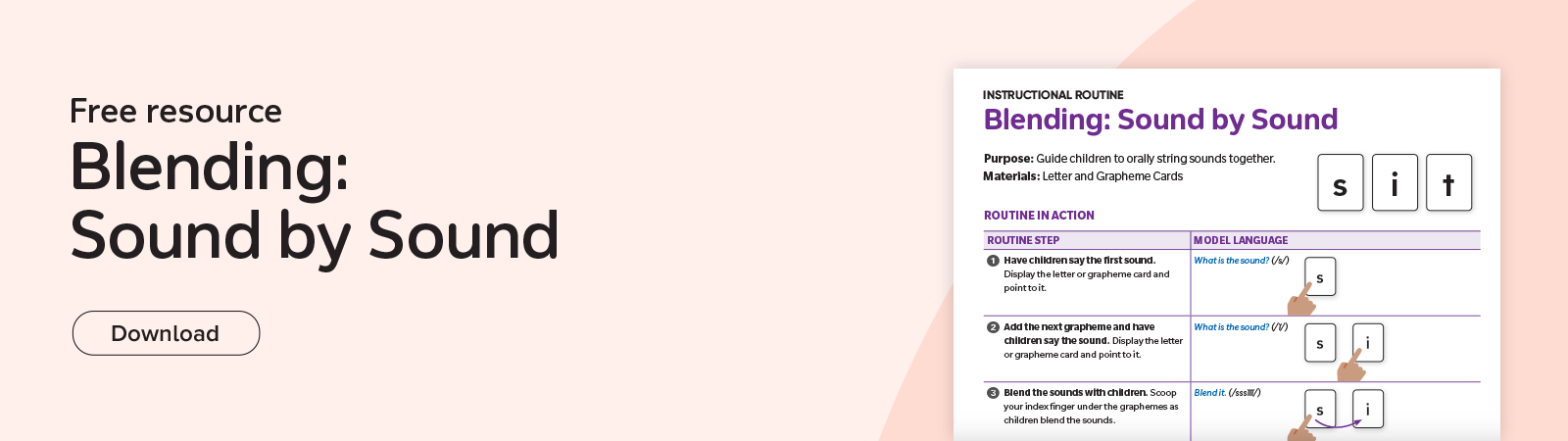
Phonemic awareness activities help students recognize and manipulate the individual sounds in spoken words. Students may segment words into individual phonemes, blend sounds together to form words, or substitute one sound for another to create new words.
Put blending into practice with this downloadable activity.
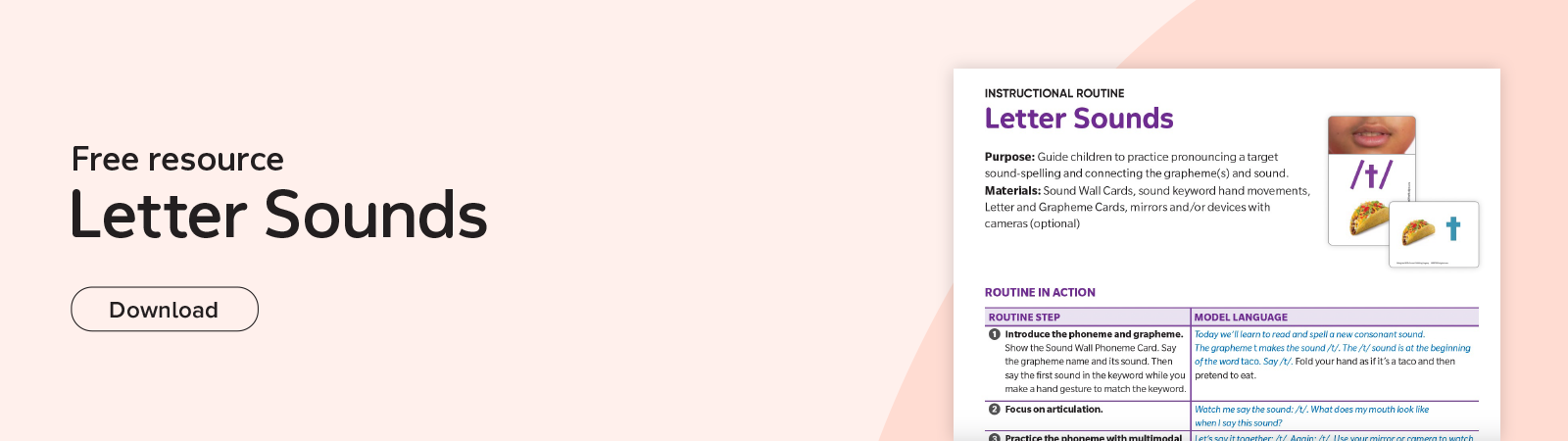
2. Sound-symbol mapping
Students can strengthen their understanding of the relationship between sounds and print by using letter and grapheme cards, sound wall cards, or letter tiles to build, manipulate, and spell words. These activities reinforce both decoding and encoding skills.
Download this printable activity to help students connect letters with their sounds.
3. Decodable text reading
After learning a new phonics concept, students can apply their knowledge through decodable texts that contain the patterns they have been taught. This allows students to practice reading connected text while building accuracy and confidence.
4. Repeated reading for fluency
Repeated reading gives students needed practice with challenging skills while helping teachers see where modeling, feedback, or more explicit instruction is needed. When students read the same passage multiple times, they improve their accuracy, automaticity, and expression, freeing cognitive resources for comprehension.
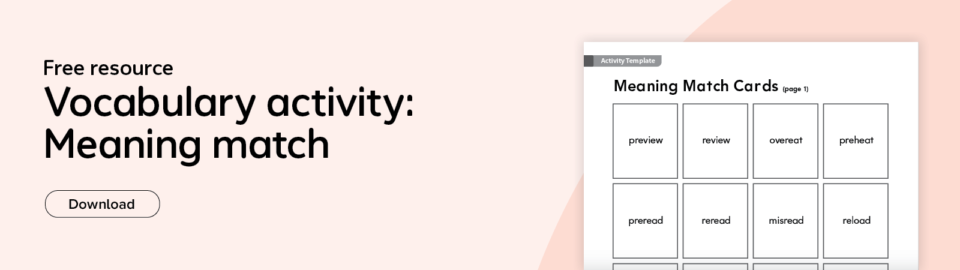
5. Morphology
As students develop more advanced literacy skills, intervention may include instruction in prefixes, suffixes, roots, and base words. Activities that explore morphemes and other meaningful word parts help students decode unfamiliar words and deepen vocabulary knowledge.
Download this vocabulary activity to help students read and understand prefixes.
6. Vocabulary and knowledge building
Explicit vocabulary instruction, discussion of word meanings, and reading around content-rich topics help students strengthen language comprehension while expanding background knowledge.
How to identify students who need structured literacy interventions
Not every striving reader needs the same type or intensity of support. Teachers need a clear view of student progress so they can respond with the right instruction, practice, and feedback. Universal screening can help identify students who may need additional support and provide initial insights into specific areas of need. When results indicate that a student is not meeting expected benchmarks, diagnostic assessments can provide a more detailed picture of the student’s strengths and needs to help educators plan targeted instruction.
Progress monitoring allows educators to track student growth over time and determine whether intervention is effective. By regularly reviewing student data, educators can adjust instruction, increase support when needed, and ensure students are making progress toward reading goals.
5 Best practices for implementing structured literacy interventions
Consistent implementation helps ensure structured literacy interventions are responsive to student needs and lead to measurable progress. These reading intervention strategies can help educators put structured literacy into practice:
- Deliver explicit instruction. Clearly explain and model new concepts before giving students opportunities to apply them.
- Teach skills systematically and cumulatively. Follow a purposeful sequence that moves from simpler to more complex skills while connecting new learning to previously taught concepts.
- Provide guided practice and feedback. Give students clear feedback during practice to correct errors, reinforce effective strategies, and guide them toward greater independence.
- Connect foundational skills to meaning. Incorporate vocabulary, morphology, background knowledge, and comprehension alongside foundational reading instruction to support students’ understanding of what they read.
- Use data to target and adjust instruction. Use assessment and progress-monitoring data to identify students’ strengths and skill gaps, measure growth, and adapt instruction as students’ needs change.
Supporting striving readers with structured literacy
Structured literacy reading interventions give educators a research-based way to address each student’s needs. Effective interventions strengthen teaching with explicit instructional support, provide meaningful practice in foundational skills and comprehension, and make progress visible so educators can respond with targeted instruction and feedback. When intervention meets students where they are and adapts as they progress, striving readers can build the skills and confidence they need to succeed.
***
Learn how our reading intervention programs can accelerate growth of students who are reading below grade level.
Unlock whole-brain reading through Read 180, the leading reading intervention program for Grades 3–12.
Frequently asked questions about structured literacy interventions
-
How often should structured literacy interventions be delivered?
Structured literacy interventions should be delivered frequently and consistently because students benefit from systematic, cumulative instruction with regular opportunities to practice and apply new skills. The appropriate schedule depends on a student’s needs, but consistent, ongoing instruction paired with progress monitoring can help students build and retain foundational literacy skills over time.
-
Can structured literacy interventions be used with older students?
Structured literacy interventions can be used with older students when they need support with foundational literacy skills, decoding, spelling, or comprehension. Because structured literacy is based on explicit, systematic instruction, it can help address skill gaps at any age while supporting access to increasingly complex academic texts and learning experiences.
-
How long does it take to see results from structured literacy interventions?
The time it takes to see results from structured literacy interventions varies based on a student’s strengths, needs, and response to instruction. Because structured literacy uses systematic, cumulative teaching and continuous assessment, progress often develops gradually as students master foundational skills and build toward greater reading accuracy, fluency, and comprehension.
-
What should educators look for in a structured literacy program?
Educators should look for a structured literacy program that provides systematic, cumulative, explicit, and diagnostic instruction while addressing key language components such as phonology, sound-symbol relationships, morphology, syntax, and semantics. Strong interventions make progress visible and actionable, helping teachers identify needs, monitor growth, and adjust instruction while students get more opportunities to practice challenging reading skills.
Get our free reading intervention ebook today.