




Summary
The 2026 180 Award winners highlight how intentional teaching practices can drive student success in intervention.
Key takeaways
- Using student data regularly allows teachers to adjust instruction and provide targeted intervention support.
- Making progress visible helps students take greater ownership of their learning and set achievable goals.
- Celebrating progress can motivate students to sustain their effort and recognize their accomplishments.
- Teacher leadership can extend effective intervention practices through collaboration and support for fellow educators.
Students tracking their progress. Teachers using data to adjust instruction. Small wins turning into real learning momentum. These are some of the practices driving the success of our 180 Award-winning teachers, who help students make measurable gains using the Read 180 and Math 180 intervention programs. Their classrooms offer a window into what’s working right now—and what’s possible when strong practices are implemented with purpose.
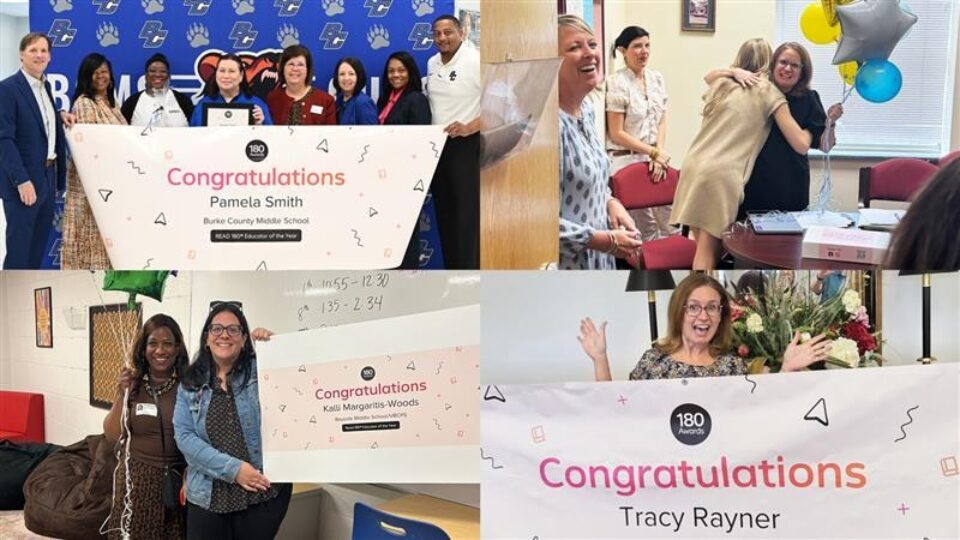
About the 180 Awards: This national recognition program honors students and educators who have demonstrated growth, leadership, and perseverance through their use of Read 180 and Math 180 intervention programs. The recipients are nominated by fellow educators and school leaders from across the country. See the list of educator and student winners.
Celebrating 20 years of impact
For 20 years, the 180 Awards have celebrated teachers and students finding success with Read 180 and Math 180 intervention programs. Here's a snapshot of this year's awards.
Nominations from 31 states, showcasing student growth and educator impact
Student winners from 12 states
Teacher winners from 21 states
Here are five key takeaways from this year’s standout educators.
1) Make growth visible so students can own it
One of the most powerful moves educators can make is helping students see their own progress. The 180 teachers help students set goals and monitor progress to make growth tangible—whether students are tracking reading comprehension accuracy, completed math lessons, or time spent building fluency and problem-solving skills. This visibility builds motivation because students aren’t just completing tasks; they’re making progress toward clear, achievable targets. Just as importantly, students learn to interpret their data so they can set realistic next steps, turning progress into ownership.
2) Use student data to drive every instructional step
The 180 educators use classroom and program data regularly to understand how students are progressing and where they need support. They spot trends, identify skill gaps, and make informed instructional decisions in real time. Whether regrouping students, adjusting small-group focus, or revisiting a concept that needs more practice, they treat data as a tool for action, not just measurement. That responsiveness keeps instruction targeted and ensures students get the support they need when they need it.
3) Use clear routines to build student confidence
In 180 classrooms, students don’t have to guess what to do—they know. Clear routines, structured rotations, and consistent expectations create an environment where students can move through tasks with confidence. That predictability frees them to focus on learning and build independence over time. Teachers reinforce this by setting up the room intentionally, so they can support small groups while keeping the rest of the class on track. That structure keeps students engaged and accountable, even when working on their own.
Every student has a goal they’re working toward, and we check in every week about their progress. Those routines make a big difference for students, and I’d use them with any curriculum.
180 Award winner, Contentnea-Savannah School, NC
4) Celebrate milestones to sustain effort
Maintaining student motivation is key, especially in intervention classrooms. The 180 teachers make celebration part of the learning process, using incentives to reinforce persistence and progress. Whether it’s naming a “Student of the Week” or celebrating when a goal is met, recognition is always tied to clear evidence such as completed lessons, time on task, or goals achieved. These incentives cultivate a classroom culture where students celebrate each other, making success a shared experience.
5) Model great teaching beyond the classroom
The influence of our 180 Award winners extends beyond their own students. Many take on leadership roles, mentoring new teachers by opening their classrooms, sharing strategies, and troubleshooting challenges. They contribute to broader implementation through coaching and collaboration at the school or district level. Even while taking on these additional responsibilities, they maintain strong classroom practices, showing that effective leadership starts with leading by example.
What effective teaching comes down to
These five practices point to a simple truth: strong teaching is deliberate and responsive to what students need. This year’s 180 Award winners show what that looks like in action: classrooms where progress is visible, routines support learning, and instruction adjusts based on real data. The result is steady learning growth for students who need it most.
***
The 180 Awards recognize educators and students who have achieved success using Read 180 and Math 180. Learn more about our 180 Awards.
Get quick tips for bringing RTI into the core classroom.
Related Reading

Read 180 is an intervention reading program notably known for helping Grades 3–12 students gain one or more years of average growth in one year. Discover the answers to Read 180 frequently asked questions to learn more about this solution.

Learn how district leaders can scale effective interventions to drive student success. Explore strategies for system coherence, professional learning, and accountability to improve student outcomes.

Eighth graders enjoy a light moment in Alison Van Dyke's ELA class at Valleywood Middle School in Kentwood, Michigan.
See how teachers and curricula work together to create a sense of belonging and academic success in the fourth most diverse district in the nation.