


Summary
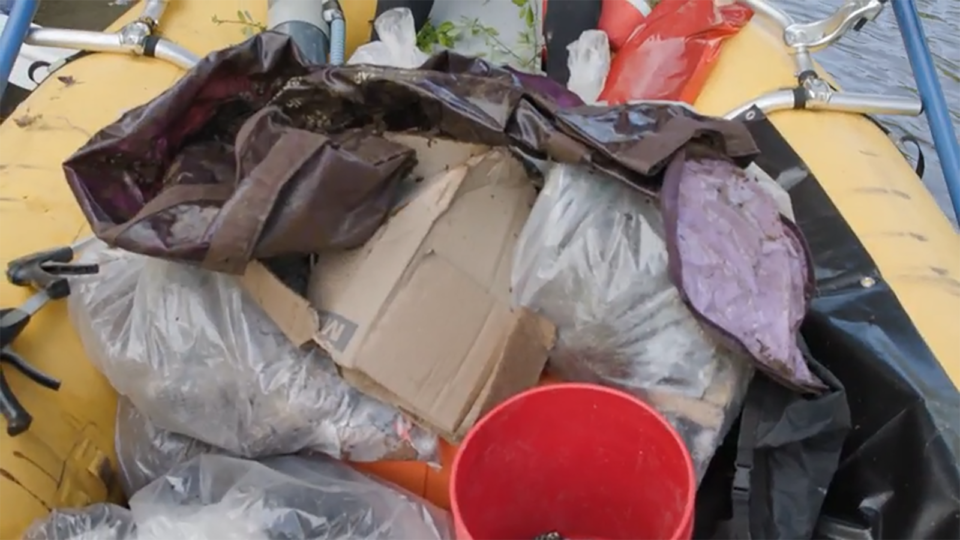
This Math at Work installment uses a river cleanup to show students how to display and analyze real recycling and trash data.
Imagine you’re outside by a river on a hot day and someone hands you a plastic bottle of water. Thank goodness—you were thirsty! You drink most of the water . . . place it on the ground for a few minutes . . . and when you aren’t looking, a duck knocks it into the river. Oops!
What happens next will depend on factors like where you are and what kind of plastics made up the bottle. No matter how you examine the fate of this trash in the river, there is math to be found everywhere:
- Are there efforts to clean up the rivers in your city? And if so, how are they budgeted and planned?
- What percentage of plastic is recycled in your city?
- How much energy was used to manufacture the plastic bottle, and how much money and energy are needed to recycle it?
- How long until the bottle decomposes into materials the Earth can recycle naturally?
Where there’s math, there are people whose jobs include doing the math:
- Recycling coordinators who track and measure amounts recycled
- Policymakers who set achievable waste-management goals
- Manufacturers who look to reduce costs and increase efficiency
- Organization directors who plan ways to clean up trash and monitor how much is removed
And that’s just a start!
Video: River Cleanup
Our Math at Work series has looked for years at how people across different industries use math in their jobs, with activities and episodes on topics like fashion, sports, entrepreneurship, and theater. In this installment, we see how math is used to clean trash out of the Willamette River in Oregon.
Free activities on the math of trash
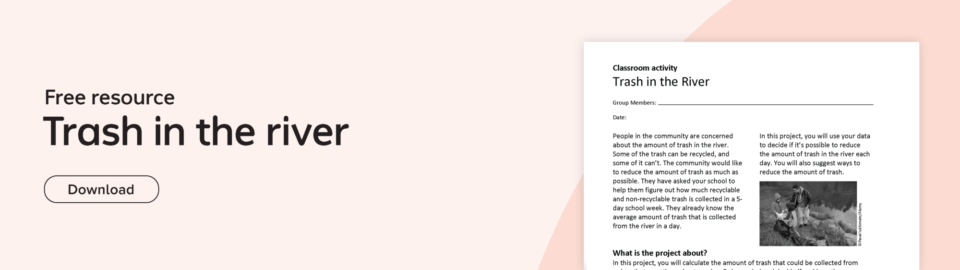
In the video above, we meet leaders and volunteers from Willamette Riverkeeper, an organization dedicated to maintaining the Willamette River in Oregon. We ride rafts and canoes as we pick up trash, monitoring the volume of trash picked up. After watching the video, Grade 4 students can try a group project from our Into Math program. In the project, students use data about recyclable and non-recyclable trash in a river to decide if it’s possible to reduce the amount of trash.
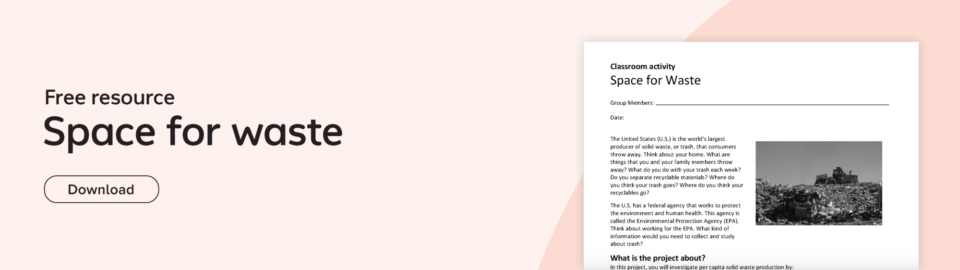
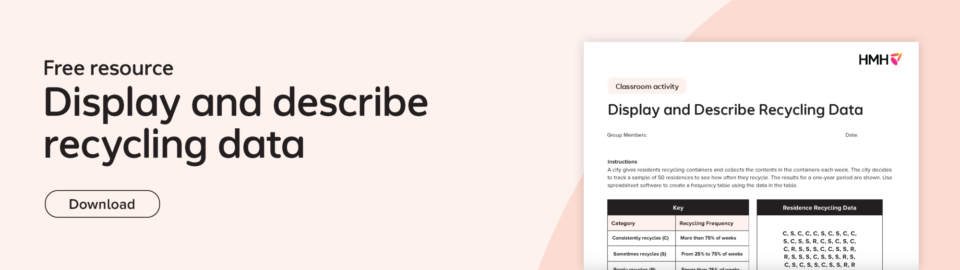
The activities below, designed for Grade 8 students, offer additional ways to follow up the video with activities that involve the math of trash and recycling. In “Space for Waste,” students analyze data about trash in the US, investigating how it’s changed over time and how trash in the state of California compares with trash in the country as a whole. The recycling data tasks present categorical data describing different households’ recycling habits and have students display and analyze the data.
Math at Work
Stay tuned for new Math at Work videos about trash and recycling, along with more ways that math shows up in the world around us and the jobs that people have.
***
Learn more about the Math at Work web series, an HMH effort where industry leaders share their expertise and work with real students to demonstrate the importance of learning math.
Get our free math intervention guide full of research-backed information.